Water play is already happening in your classroom.
At the water table.
In sensory bins.
In puddles after recess.
And children don’t need instructions.
They pour.
They dump.
They watch.
That’s your starting point.
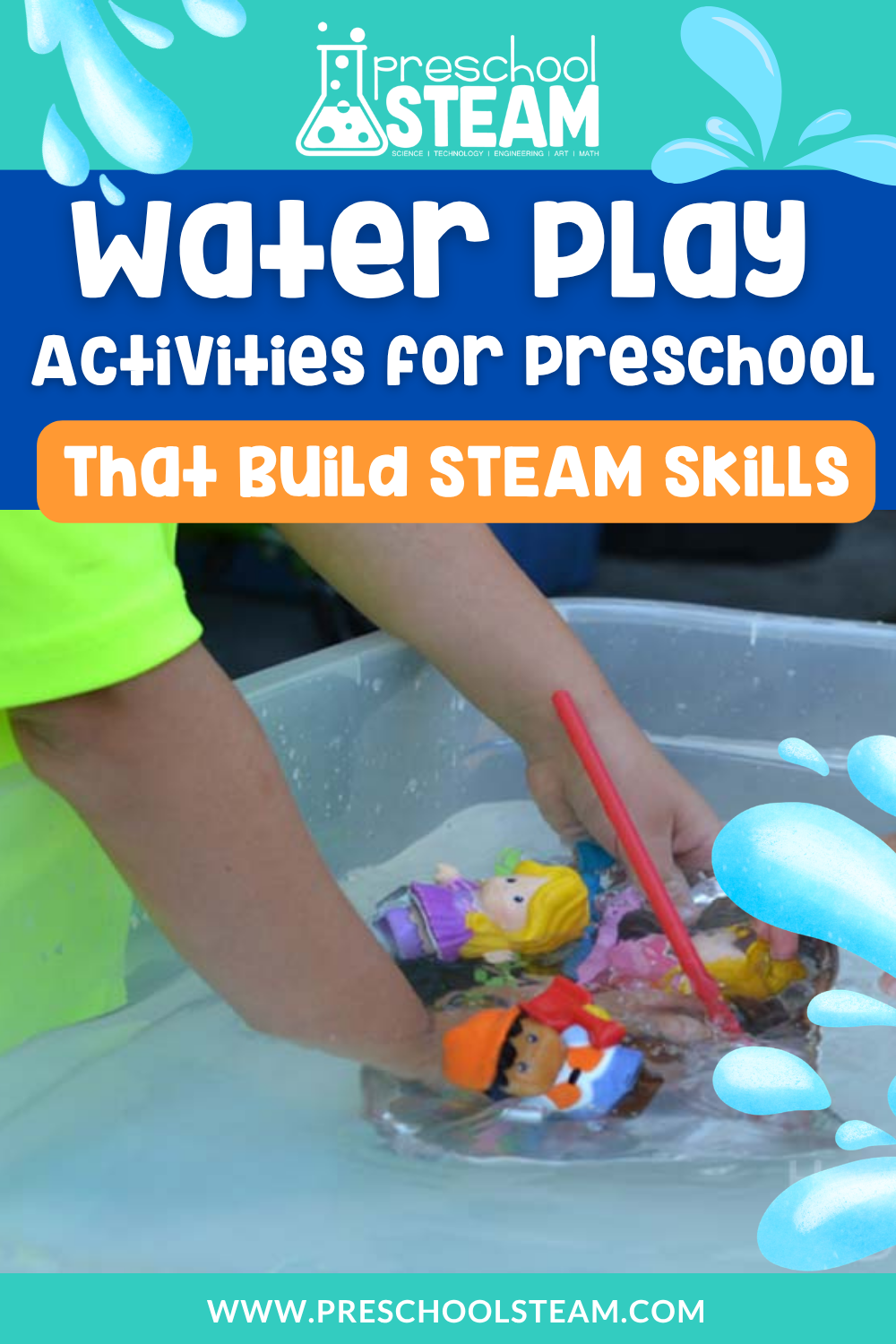
Why Water Play Is a Natural STEAM Experience
Water isn’t just fun.
It’s constantly changing.
It moves.
It spills.
It fills.
Which means children are already:
- Testing cause and effect
- Exploring movement
- Comparing volume
- Solving problems
You don’t need to turn water into STEAM.
It already is.
Start With What They’re Already Doing
Before setting up a new activity, pause.
Watch.
What are they doing with the water?
Pouring between containers
Watching it overflow
Trying to carry it without spilling
That’s investigation.
Simple Ways to Extend Water Play into STEAM
You don’t need to add more.
You just need to shift your questions.
💧 When They’re Pouring → Talk About Volume
Instead of:
“Fill this cup”
Ask:
Which one holds more?
What happens when it overflows?
💧 When They’re Watching It Move → Talk About Flow
Instead of:
“Use this tool”
Ask:
What happens if you pour faster?
What changes if you tilt it?
💧 When They’re Dropping Objects → Explore Sink & Float
Instead of:
“Let’s test this”
Ask:
What do you think will happen?
Why did that sink?
💧 When You Add Materials → It Becomes Engineering
Funnels.
Tubes.
Different containers.
Now children start designing systems.
That’s engineering.
You Don’t Need New Water Activities
Water play already includes:
Science → movement and properties
Technology → using simple tools to measure and observe
Math → volume and comparison
Engineering → systems and design
Art → color mixing
All without extra prep.
A Simpler Way to Do Water STEAM
You don’t need:
A new setup
A new activity
A new plan
You need time to observe.
Water play isn’t just play.
It’s experimentation.
That’s where the learning lives.


Leave a Reply