Let’s talk about mud. And sand. And squishy, messy, hands-in-everything play.
If you’ve ever watched a child dig in the dirt and wondered whether it counts as learning, the answer is yes. Sensory play is one of the most powerful ways young children process new information, build fine motor skills, and develop the kind of thinking that STEAM learning depends on.
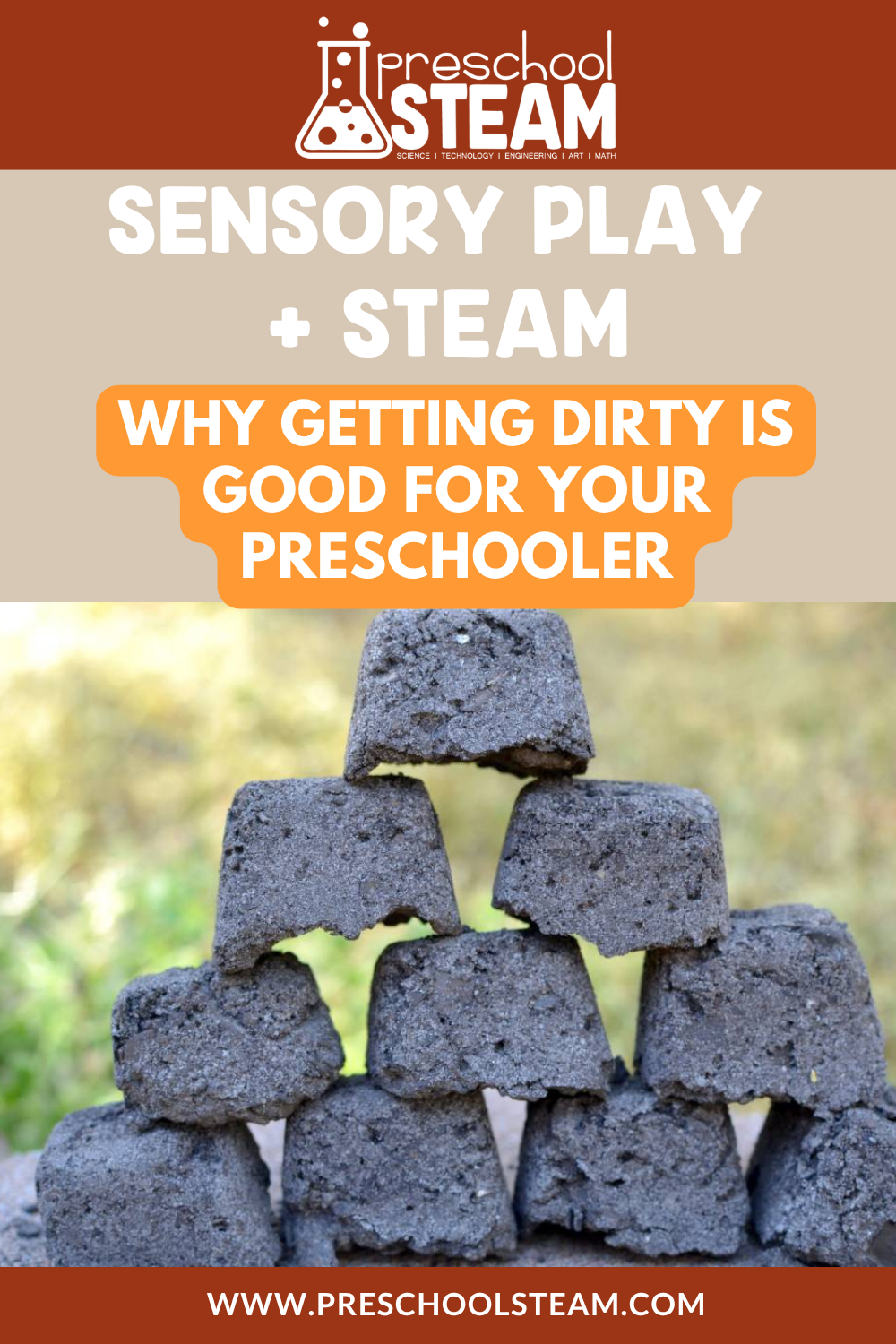
What Sensory Play Actually Does for Learning
When children squeeze mud through their fingers, pour sand from one container to another, or stack rocks into towers, they’re doing more than making a mess. They’re exploring texture, weight, balance, and cause and effect through direct experience. Their brains are building connections that worksheets and screens simply can’t replicate.
Sensory play also builds language. Children describe what they feel (“slimy,” “heavy,” “bumpy”), make predictions (“I think this one will sink”), and ask questions (“why does the mud stick together?”). That kind of thinking is the foundation of every STEAM skill we want preschoolers to develop.
Earth Materials Are the Easiest Place to Start
You don’t need a sensory bin kit or specialty supplies. Rocks, dirt, sand, mud, and water are free, available everywhere, and endlessly interesting to young children. Here are a few ways to lean into it:
Set out a collection of rocks and let your little learners sort them by size, color, texture, or weight. Ask them which rock feels the smoothest. Which one is the heaviest? Can they find two that look the same?
Mix dirt and water and let them experiment with mud. How much water does it take before it gets too runny to hold its shape? Can they mold it into something? What happens when it dries?
These aren’t fancy activities. They’re the kind of play children are naturally drawn to. The learning happens when you slow down, watch what they do, and ask the right questions.
Why “Messy” Shouldn’t Scare You
The biggest barrier to sensory play isn’t materials or time. It’s the mess. But here’s the good news: most earth-based sensory play happens best outside, and cleanup is as simple as a hose or a bucket of water. The payoff in terms of engagement, focus, and learning far outweighs the ten minutes of cleanup.
And if your little learners are anything like most preschoolers, they’ll happily help clean up if you turn that into part of the experience too.
Sensory Play Changed Everything for My Daughter
I want to share something personal because I think it matters here. When my oldest daughter was two, she ate very limited foods. She was actually dropping foods she already liked and narrowing down to fewer and fewer options. As a mom, it was stressful and scary.
I’ve always loved sensory play at home, but my daughter was the opposite. She hated touching slime. Shaving cream was a hard no. Getting messy in any way made her uncomfortable. I’ll never forget taking her to the beach for the first time — she cried every time she touched the sand. Her entire first beach trip was spent sitting on a sand-free blanket, refusing to step off it. And it turned out that her resistance to messy textures was connected to her resistance to new foods.
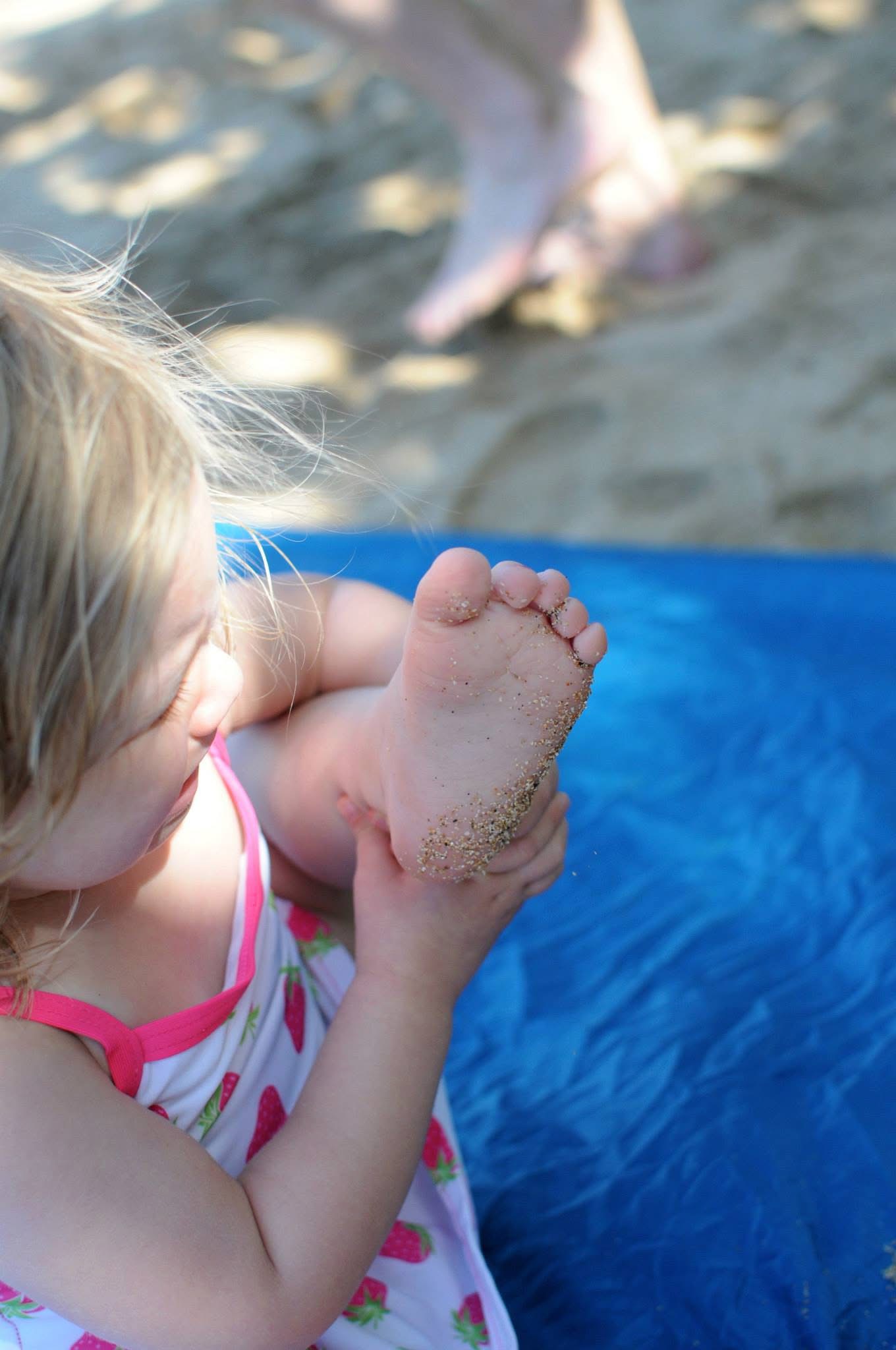
We worked with a wonderful therapist who used sensory play as the bridge. Slowly, through gentle exposure to different textures — things like sand, water, play dough, and eventually messier materials — my daughter started becoming more comfortable. And as her comfort with messy play grew, so did her willingness to try new foods.
That experience is one of the reasons I believe so deeply in sensory play. It’s not just about STEAM skills and learning (though it absolutely builds those). For some children, sensory play is the thing that opens the door to everything else — eating, exploring, and being willing to try something new. If you have a child who resists messy play, don’t push it. Start small. A bin of dry rice. Smooth rocks. Sand. Let them go at their own pace. The exposure matters more than the mess.
Download our Sensory Mix & Match Guide– Turn a simple shoebox or bin into a full sensory experience with our Sensory Mix guide, mixing a container, fill material, tool, and curiosity to create endless combinations like rice and tweezers or shaving cream and small toys.



Leave a Reply