Spark curiosity and wonder with these ice STEAM activities for preschoolers. Explore how ice moves, melts, cracks, reacts, and changes, all through hands-on play.
As children experiment, they naturally build early science skills like observing, predicting, testing ideas, and problem-solving.
The best part?
Ice is inexpensive, easy to prep, and endlessly flexible.
Ice Science Experiments for Preschool
Ice isn’t just for winter themes. You can bring ice into your classroom or home any time of year.
Simply freeze water in different shapes, sizes, and containers like ice cube trays, muffin tins, silicone molds, cups, or recycled containers.
Add color, salt, baking soda, or small objects to extend the learning.
As kids play, they begin to notice:
- What makes ice melt faster or slower
- How temperature affects ice
- How ice reacts with salt, magnets, and other materials
- How solids can change into liquids
Ice STEAM Activity Ideas for Preschoolers
Below is a collection of favorite ice science and STEAM activities that encourage curiosity and experimentation without needing worksheets or complicated setups.
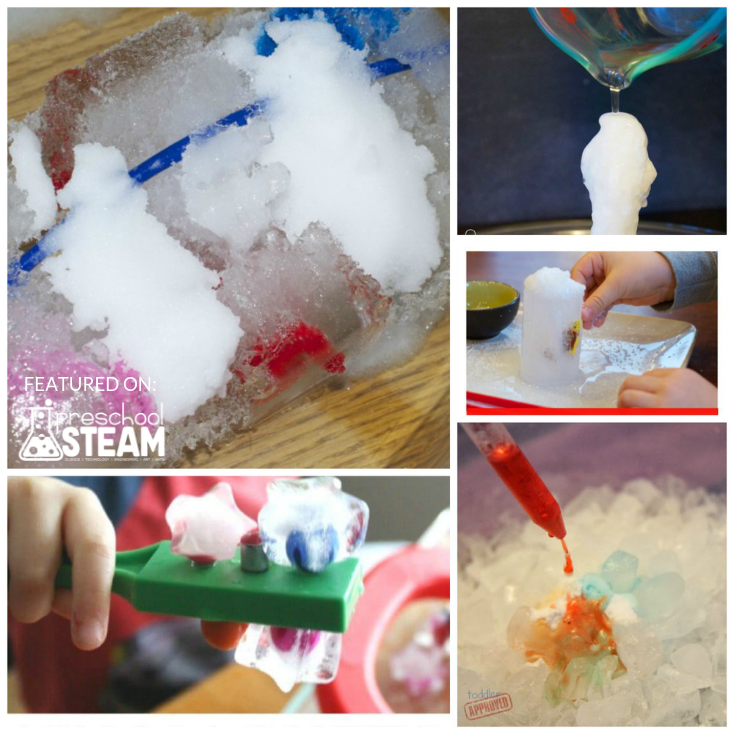
Magnetic Ice Skating from Preschool STEAM
What Makes Ice Melt Fastest? from Preschool STEAM
Hot ice science experiment from Playdough to Plato
Ice excavation experiment from Lemon Lime Adventures
Fizzy ice science activity from Toddler Approved
Magnetic ice science activity from Little Bins for Little Hands
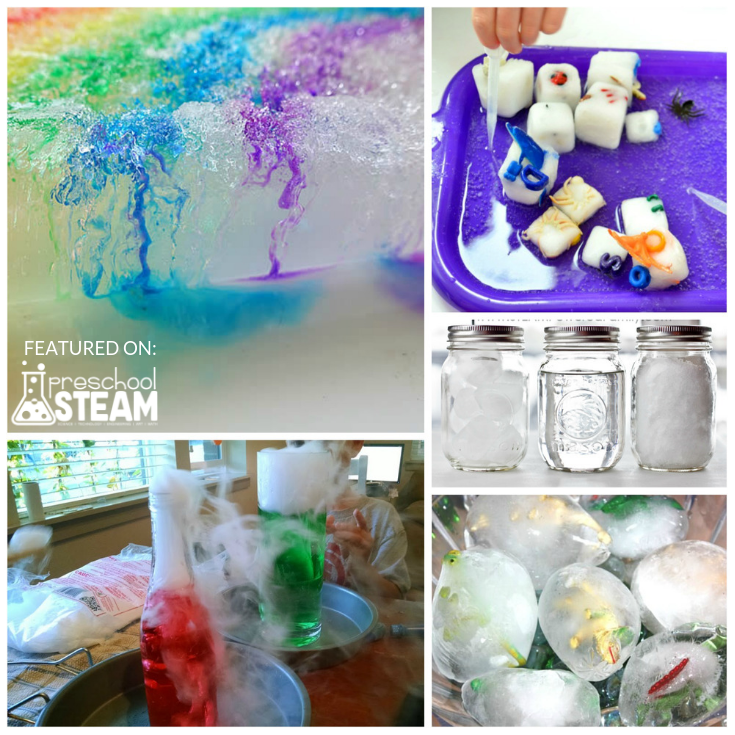
Fizzing ice experiment with beginning sounds from The Kindergarten Connection
Melting magic snow and ice simple science from Steam Powered Family
Frozen dinosaur eggs ice excavation from Little Bins for Little Hands
Dry ice and water play from Science Kiddo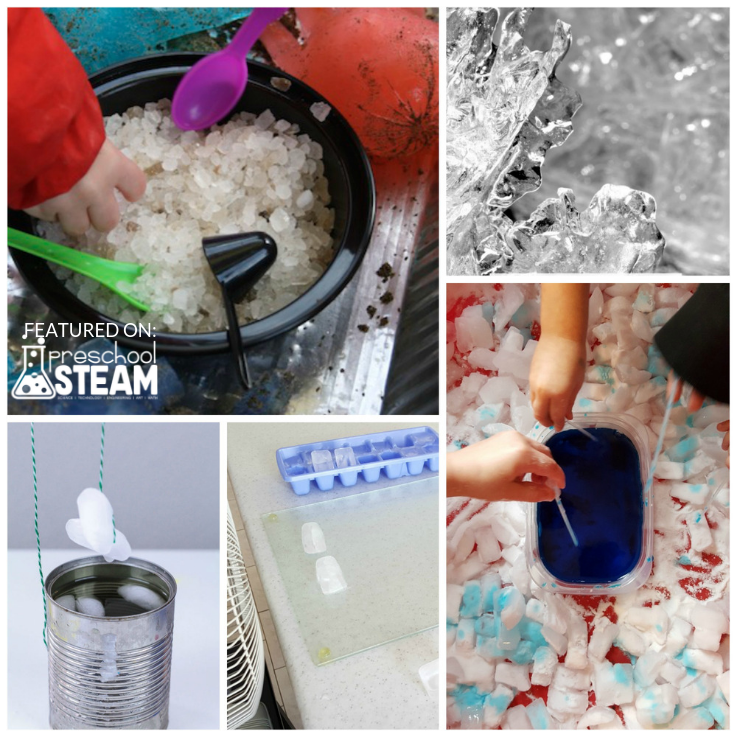
Ice science experiment videos from Fantastic Fun and Learning
Fizzy ice sensory and science from Things to Share and Remember
Ice cube races experiment from Preschool Toolkit
Ice fishing science experiment from A Dab of Glue Will Do
Salt and ice activity – melting frozen hands from Happy Hooligans
Why Ice Works So Well for Preschool STEAM
Ice naturally slows kids down. It encourages patience, careful observation, and experimentation — all key skills in early STEAM learning.
Because ice is cold, slippery, and constantly changing, children stay engaged longer and ask better questions:
- Why did this melt faster?
- What happens if I add more salt?
- Why does this crack?
Ice is easy to make, simple to use, and adds a rich sensory layer to science play. Whether you’re exploring melting, movement, or reactions, ice offers endless opportunities for hands-on discovery.
Play-Based STEAM Connection
Ice activities are a great example of how play-based STEAM works in real classrooms.
Instead of starting with a lesson or directions, you begin with an open-ended invitation and let children lead the learning.
Invite Play
Set out ice with simple tools — droppers, spoons, salt, cups of warm water, paint, or small objects frozen inside. No instructions needed. The materials do the teaching.
Observe Wonder
Watch what children notice:
- Which ice melts faster
- What cracks, slides, or fizzes
- How color spreads through melting ice
Listen to their questions and comments. These moments tell you exactly where their curiosity is headed.
Extend STEAM
Build on what they’re already exploring:
- Add salt or warm water to compare melting speeds
- Introduce new tools like magnifying glasses or timers
- Ask simple questions: What do you think will happen next?
This approach keeps STEAM playful, meaningful, and developmentally appropriate without worksheets or forced outcomes


Leave a Reply