If STEAM sometimes feels like one more thing to plan, this post is for you.
STEAM doesn’t need a special theme, a long prep list, or a brand-new activity each week. Some of the most meaningful STEAM learning happens when you set out simple materials and let kids explore.
Low-prep STEAM invitations focus on what you offer, not what children are expected to make. There’s no finished product everyone works toward — just space for curiosity, testing ideas, and problem-solving through play.
Below are a few go-to STEAM invitations you can use any time of year, using materials you likely already have.

What Is a STEAM Invitation?
A STEAM invitation is an open-ended setup that invites children to explore, build, test, or experiment.
There are no directions to follow and no “right” outcome. Instead, children decide:
- What to try
- How to use the materials
- What to change when something doesn’t work
This naturally supports science, engineering, and math thinking — without turning play into a lesson.
Tinker Tubs™
Tinker Tubs™ are one of the easiest ways to offer low-prep STEAM.
They’re simply containers filled with building materials that encourage children to design, test ideas, and try again. You can use tubs, boxes, trays, or baskets.
Fill them with loose parts like:
- Blocks
- Craft sticks
- Cups
- Connectors
- Recycled materials
Tinker Tubs™ support:
- Perseverance
- Creative problem-solving
- Redesigning and improving ideas
They also work well in centers or small groups and can be reused again and again with small changes.
Loose Parts Building Invitations
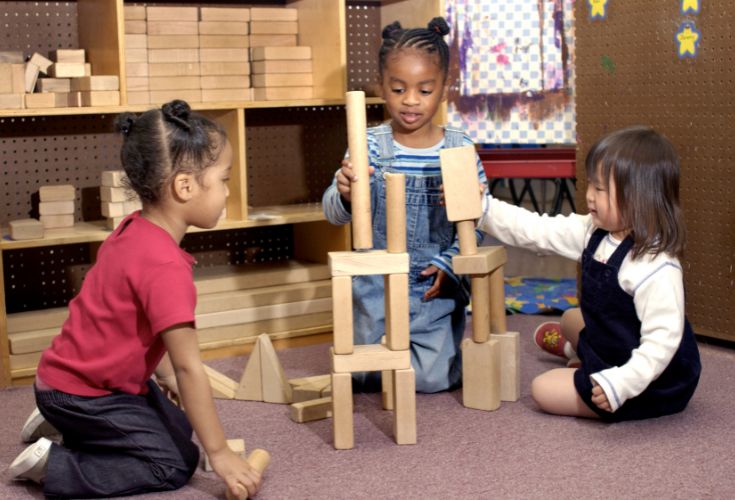
Loose parts invite children to build without a set outcome.
Materials like wooden blocks, pattern blocks, cardboard pieces, stones, or bottle caps allow kids to create structures, patterns, and designs that evolve as they play.
You might simply set out the materials and ask:
- What can you build?
- How can you make it stronger?
- What happens if you add one more piece?
This kind of play supports early engineering, spatial reasoning, and collaboration.
Simple Science Setups
Some STEAM invitations focus on observing and testing ideas.
Try setting out:
- Magnets with paper clips or small metal objects
- Ramps with balls or cars
- Water with different containers and tools
These setups invite children to compare, predict, and notice cause-and-effect — all without worksheets or step-by-step directions.
Open-Ended Art + Design Invitations
Art materials can be powerful STEAM tools when they’re open-ended.
Instead of giving a model to copy, offer materials like:
- Paper and cardboard
- Tape and glue
- Markers, crayons, or paint
Invite children to design, build, and revise their ideas. This blends creativity with early engineering and planning skills.
Why Low-Prep STEAM Works
Low-prep STEAM invitations:
- Reduce planning stress
- Keep kids engaged longer
- Support deeper thinking through play
- Make it easier to follow children’s interests
Instead of planning a new activity every week, you can rotate materials and watch how children’s ideas change over time.
Start Small
If you’re new to this approach, start with one invitation — a tinker tub, a building material, or a simple science setup — and see where kids take it.
Often, the most meaningful STEAM learning happens when we slow down and let children explore.

Leave a Reply