Dental health is part of children’s everyday lives.
They brush their teeth, visit the dentist, notice loose teeth, and ask questions when something feels new or different.
That natural curiosity is where meaningful learning begins.
Rather than turning dental health into a set of lessons or crafts, play-based STEAM invites children to explore what they’re already wondering through materials, questions, and hands-on investigation.
When Curiosity Leads, Learning Follows
Children don’t need to be told that teeth matter.
They’re already curious about them.
They notice:
- how teeth feel
- what happens when they wiggle
- how different foods affect their mouths
- why animals have different kinds of teeth
Our role isn’t to rush in with explanations, but to create opportunities for exploration and discovery.
That’s where STEAM naturally shows up.
Science Shows Up in Real Questions
Children are naturally interested in how their bodies work.
Instead of teaching the names and functions of teeth as a lesson, we can invite children to:
- compare teeth shapes
- explore how teeth are used for biting and chewing
- notice similarities and differences between human and animal teeth
Simple models, mirrors, or real-life observations can spark rich conversations—without needing a worksheet or formal explanation.
Technology as a Tool for Wonder
Technology doesn’t have to mean screens replacing play.
It can support curiosity by helping children:
- see dental tools up close
- watch how dentists use instruments
- explore images or videos that connect to their questions
When technology is used intentionally, it becomes a tool for investigation—not the focus of the experience.
Engineering Through Building and Testing
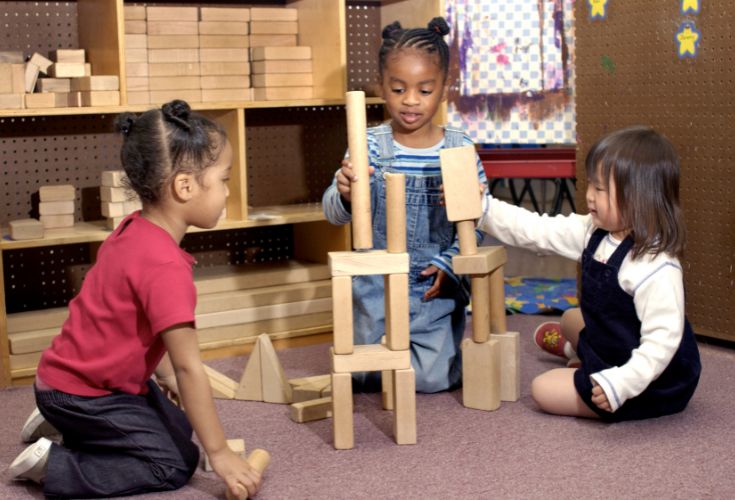
Hands-on building gives children a way to make sense of what they’re noticing.
When children create models of mouths or teeth using open-ended materials, they’re:
- experimenting with structure and placement
- problem-solving how pieces fit together
- testing ideas and making adjustments
There’s no “right” model—only exploration.
Art as Expression, Not a Product
Art supports learning when it’s used as a way to think, not something to finish.
Exploring smiles, faces, and expressions through art allows children to:
- reflect on what they’ve noticed
- express ideas visually
- connect feelings and experiences to learning
Art becomes another language for understanding not a craft to copy.
Math Embedded in Everyday Exploration
Math naturally appears when children are curious about teeth.
They might:
- count teeth
- compare sizes
- sort foods
- notice patterns
There’s no need to plan a separate math activity.
The math is already there.
Planning Looks Different in a Curiosity-Led Classroom
Instead of asking:
What dental health activities should I plan?
We ask:
What are children already noticing and wondering about?
That shift changes everything.
It allows dental health to become a meaningful exploration, not another item on the lesson plan.
Our Belief
Children’s curiosity is the curriculum.
When we follow what children are already interested in, topics like dental health naturally turn into rich, play-based STEAM learning.
No scripts.
No pressure.
Just thoughtful curated environments and attentive observation.
A Note for Teachers
You don’t need to cover every STEAM area or plan every experience in advance.
One invitation.
One question.
One moment of curiosity.
That’s enough.

Leave a Reply